
Discover the top reasons mental health billing claims get denied in 2026 and learn proven strategies to fix them fast. Protect your revenue today.
Mental health services are in higher demand than ever across the United States. From anxiety and depression to PTSD and substance use disorders, millions of Americans are actively seeking behavioral health care. That’s good news for providers — but it comes with a serious catch.
Behind every therapy session, psychiatric evaluation, or counseling appointment is a billing process that’s anything but simple. Mental health billing is one of the most complex areas in healthcare revenue cycle management, and claim denial rates continue to climb. For many clinics and private practices, denied or delayed claims are quietly draining revenue and consuming staff time that should be spent on patient care.
If your practice is struggling with denials, rejected claims, or billing headaches, you’re not alone — and there are real solutions.
The Unique Challenges of Mental Health Billing
Mental health billing isn’t like billing for a routine office visit. It comes with layers of complexity that catch even experienced billing teams off guard.
Insurance Coverage Limitations
Many insurance plans still impose limits on the number of therapy sessions covered per year or require specific diagnoses before authorizing treatment. Navigating parity laws — which require insurers to cover mental health services equally to physical health — adds another layer of complexity. When coverage rules aren’t clearly understood upfront, claims get denied after the fact.
Prior Authorization Requirements
A large number of behavioral health services require prior authorization before treatment begins. Miss this step, or get the authorization for the wrong service, and the claim is dead on arrival. Keeping up with authorization requirements across multiple payers is a constant challenge for mental health providers.
Coding Complexity: CPT & ICD-10
Mental health coding is highly specific. Therapy sessions are billed based on time (not just service type), and selecting the wrong CPT code — even by a small margin — leads to denials. Pairing CPT codes with the correct ICD-10 diagnosis codes is equally critical. Psychiatry billing challenges often stem from this combination of time-sensitive and diagnosis-sensitive requirements.
Time-Based Billing Issues
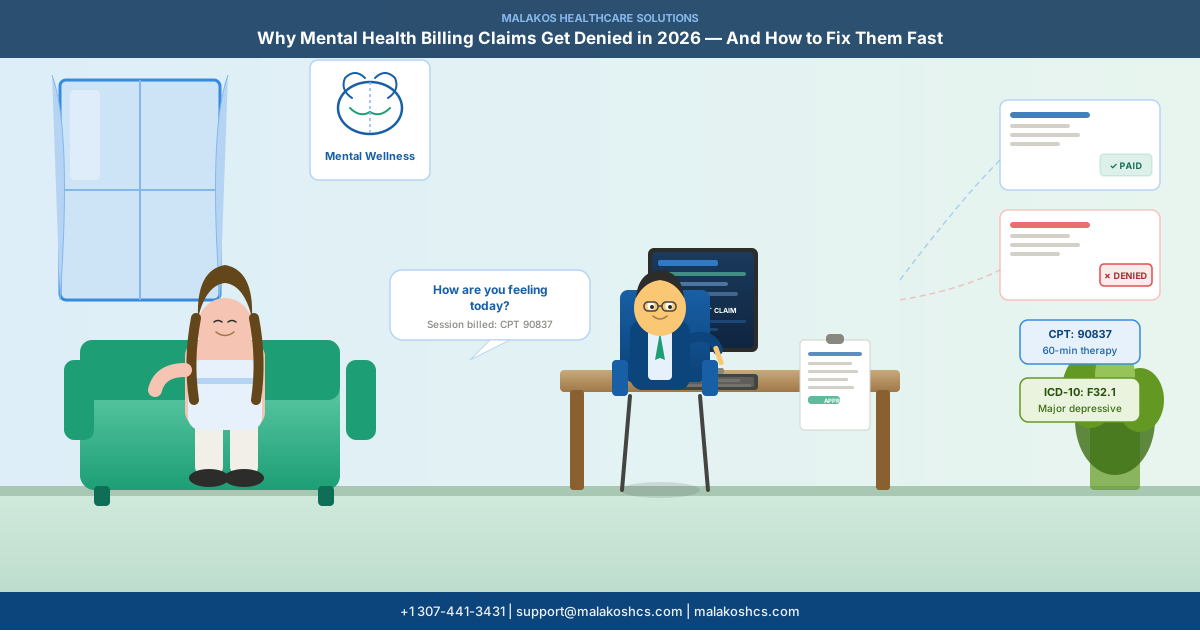
Psychotherapy CPT codes (like 90832, 90834, and 90837) are time-based. A session that runs 45 minutes must be billed differently than one that runs 60 minutes. If documentation doesn’t clearly reflect the session duration, payers will flag or deny the claim.
Telehealth Billing Complications
Telehealth mental health services expanded dramatically during and after the pandemic. But billing rules for telehealth vary significantly by state and payer. Place of service codes, telehealth modifiers, and platform requirements differ — and mistakes are common, especially as regulations continue to evolve in 2026.
Top Reasons Mental Health Claims Get Denied in 2026
Understanding why claims are denied is the first step to stopping the cycle. Here are the most common culprits right now:
1. Incorrect CPT or ICD-10 Coding
Using the wrong therapy code or mismatching a diagnosis with a procedure remains the #1 cause of mental health claim denials. Even small errors — like billing a 60-minute therapy session with the 45-minute code — result in rejections or underpayments.
2. Missing or Incomplete Documentation
Payers require thorough documentation to justify the services billed. Missing session notes, incomplete treatment plans, or lack of medical necessity documentation are fast routes to denial. This is especially true for behavioral health billing services where ongoing treatment justification is required.
3. Authorization Issues
Billing for services that weren’t pre-authorized, or that exceeded an authorized number of sessions, is a common and costly mistake. Keeping authorization records current is essential.
4. Eligibility Verification Errors
Patient insurance coverage changes frequently. Billing a claim to a plan the patient is no longer enrolled in — or failing to verify active coverage before the appointment — results in avoidable denials.
5. Timely Filing Violations
Every payer has a deadline for claim submission, ranging from 90 days to one year from the date of service. Missing these windows means losing reimbursement entirely — regardless of whether the claim itself is accurate.
How to Fix Mental Health Billing Denials (Practical Solutions)
The good news: most of these issues are preventable with the right systems in place.
Build a Strong Documentation Workflow
Every session note should include start and stop times, a summary of the session, the diagnosis being treated, and the CPT code that matches the time spent. Create templates that make complete documentation easy and consistent for every provider.
Invest in Mental Health Coding Training
Therapy billing errors often come from staff who aren’t fully up to date on behavioral health-specific coding rules. Regular training on CPT time-based codes, telehealth modifiers, and ICD-10 updates can significantly cut denial rates.
Verify Insurance Eligibility Before Every Appointment
Run eligibility checks 24–48 hours before each appointment — not just at intake. Insurance changes happen, and catching them early prevents billing to the wrong plan. Automate this process where possible.
Track and Analyze Every Denial
Don’t just resubmit denied claims — track them. Categorize denials by type, payer, and provider. This data reveals patterns and shows you exactly where your billing process is breaking down so you can fix the root cause.
Use Billing Automation Tools
Modern RCM for mental health includes automation tools that flag common errors before claims are submitted, track authorization statuses, and send alerts for timely filing deadlines. These tools reduce human error and speed up the reimbursement cycle.
Why Outsourcing Mental Health Billing Is Worth It
Many behavioral health providers are choosing to outsource their billing operations entirely — and for good reason.
Faster Reimbursements Specialized billing teams know payer rules inside and out. They submit cleaner claims the first time, which means faster payments and fewer delays.
Less Administrative Burden When your clinical staff isn’t chasing down denied claims or decoding explanation of benefits documents, they can focus on what matters: patient care.
Higher Claim Acceptance Rates A dedicated behavioral health billing service tracks denial trends, stays current on coding changes, and proactively prevents errors that in-house teams often miss.
Better Revenue Cycle Management Outsourcing gives you access to reporting, analytics, and strategic insight into your practice’s financial performance — not just a submission-and-forget billing service.
Let Malakos Healthcare Solutions Handle the Billing — So You Can Focus on Care
At Malakos Healthcare Solutions, we specialize in mental health billing, psychiatry billing, and behavioral health revenue cycle management for practices across the United States. Our experienced billing team understands the unique complexities of mental health claims — from time-based CPT coding to telehealth billing rules to payer-specific authorization requirements.
We help mental health clinics, therapists, psychologists, and psychiatrists:
- Reduce claim denials and improve first-pass acceptance rates
- Speed up reimbursements from all major payers
- Stay compliant with the latest billing regulations
- Focus on growing their practice instead of managing billing headaches
🎯 Claim Your FREE Billing Audit Today
Not sure where your revenue cycle is leaking? Let our team take a close look — at no cost to you.
📞 Call us: +1 307-441-3431 📧 Email us: support@malakoshcs.com
We’ll review your current billing process, identify gaps, and show you exactly how we can help you recover lost revenue and reduce denials — fast.
Conclusion
Mental health billing is complex, and the stakes are high. From coding errors and documentation gaps to authorization missteps and timely filing failures, the path from delivered service to collected payment is filled with potential obstacles.
But with the right workflows, the right tools, and the right billing partner, your practice doesn’t have to lose revenue to preventable denials. Efficient billing isn’t just a back-office function — it’s what keeps your clinic financially healthy and able to serve more patients.
Whether you’re a solo therapist or a multi-provider behavioral health clinic, taking control of your billing process in 2026 starts with understanding the problems and acting on them today.
Frequently Asked Questions (FAQs)
Q1: What is the most common reason mental health claims get denied? The most common reason is incorrect or mismatched CPT and ICD-10 coding. Mental health billing relies heavily on time-based codes, and even minor documentation errors can lead to denials.
Q2: Do mental health services require prior authorization? Many do, yes. Requirements vary by payer and plan. Always verify authorization requirements before the first session and track the number of authorized visits to avoid billing beyond coverage.
Q3: How does telehealth affect mental health billing in 2026? Telehealth billing for mental health services requires correct place of service codes and modifiers. Rules vary by state and insurer, so staying current on payer-specific telehealth policies is essential.
Q4: How can I reduce mental health claim denial rates at my practice? Focus on eligibility verification, accurate documentation, proper coding, authorization tracking, and timely claim submission. Working with a specialized behavioral health billing service can significantly reduce denials.
Q5: Is outsourcing mental health billing cost-effective for small practices? Yes. Outsourcing eliminates the cost of in-house billing staff and training, while improving clean claim rates and accelerating reimbursements. Most practices see a net revenue improvement after outsourcing.Share